Browse
Home Types
Manufacturers
Locations



Browse
.png)
Home Types
Manufacturers





Locations

We’ve received your message and one of our team members will get back to you shortly.

Site for concept homes
Pre-production homes coming soon
Homebuyers on waitlist
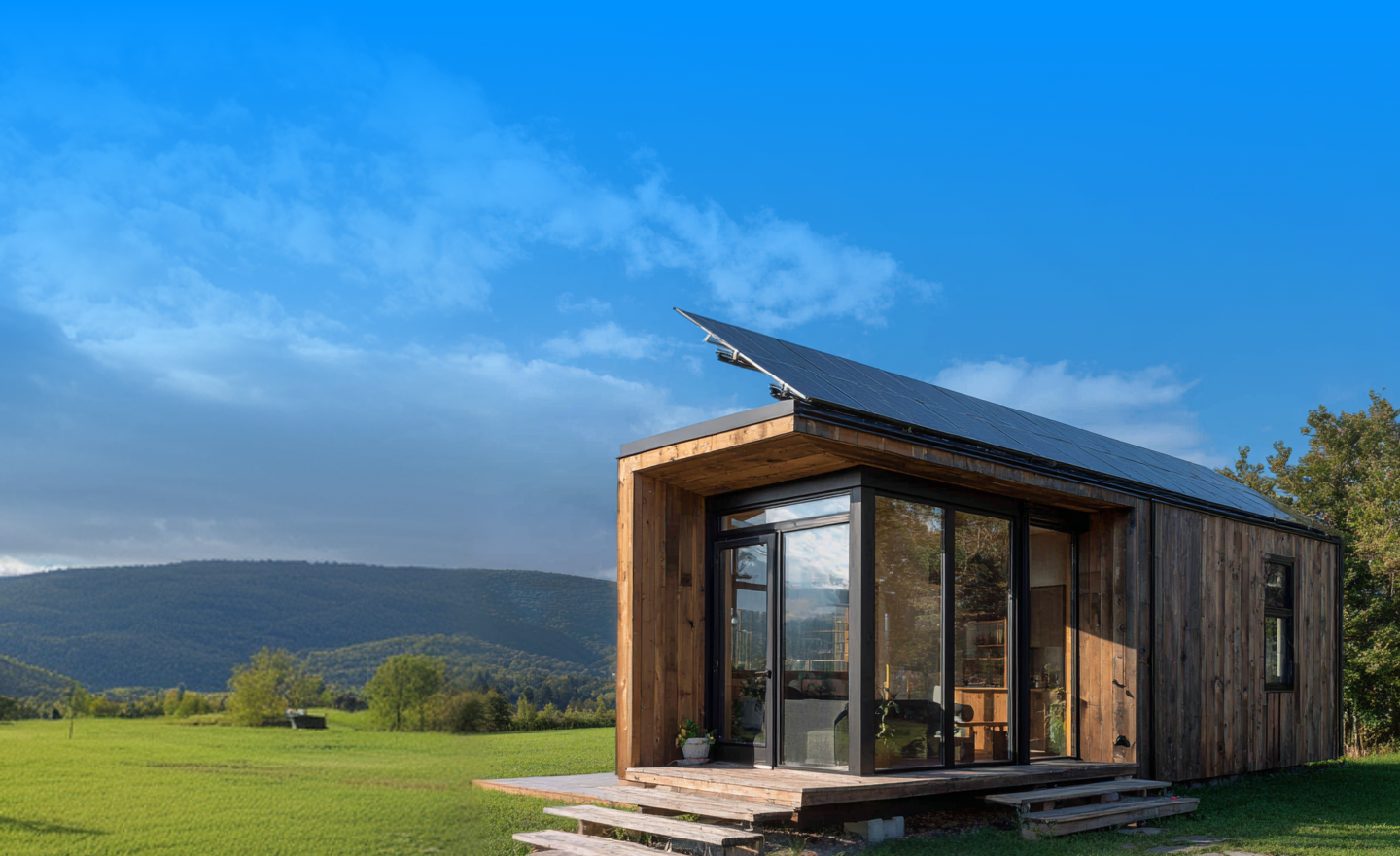


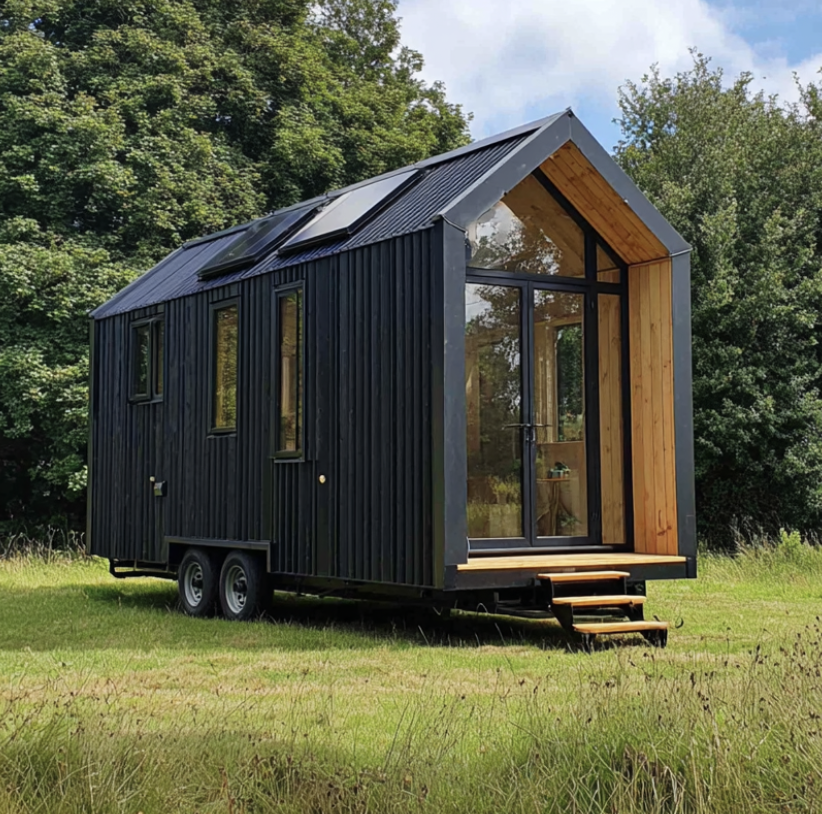
An off-grid cabin is a home designed to operate independently from traditional utility infrastructure such as public electricity, water, and sewer systems. These homes typically rely on alternative systems like solar power, battery storage, rainwater collection, propane appliances, composting toilets, or greywater systems. Off-grid cabins are popular for remote properties, recreational land, hunting cabins, and sustainable living. ModelTown allows buyers to compare prefab cabins, modular homes, and tiny homes that are designed for off-grid or rural placements.
A home is considered off-grid capable when it can function without being connected to municipal utilities. This usually means the home can support systems such as solar power generation, battery storage, propane appliances, rainwater collection, or composting toilets. Some homes are designed specifically for off-grid living, while others can be adapted with additional equipment after delivery. ModelTown highlights homes with off-grid-friendly features such as solar-ready electrical systems, propane-ready appliances, and water or waste management options.
Yes. Many prefab homes, modular homes, and tiny homes are well suited for off-grid use because they are smaller, energy-efficient, and easier to power with renewable energy systems. These homes can be delivered to rural land and paired with solar systems, water storage tanks, septic systems, or composting toilets. Buyers often choose prefab homes for remote properties because they can be manufactured off-site and installed quickly once the land is prepared.
The cost of an off-grid cabin depends on size, construction type, and the energy systems installed. Smaller off-grid tiny homes or cabins often start between $40,000 and $100,000. Mid-size prefab cabins typically range from $100,000 to $250,000, while larger modular cabins can exceed $300,000. Buyers should also budget for off-grid infrastructure such as solar systems, battery storage, water systems, septic systems, and site preparation. ModelTown allows buyers to compare base home prices across different manufacturers.
In some rural areas, building codes and zoning regulations are less restrictive, but most counties still require permits for homes, septic systems, or wells. The rules vary widely depending on the state, county, and type of home. Some areas allow small cabins or tiny homes more easily than others. Before purchasing a cabin or off-grid home, buyers should verify local zoning rules, minimum home size requirements, and utility regulations.
Off-grid cabins commonly use alternative systems instead of traditional utilities. Electricity is often generated using solar panels paired with battery storage systems. Water may come from wells, rainwater collection, or delivered water tanks. Waste systems may include septic systems or composting toilets. Heating and cooking are frequently powered by propane or wood stoves. Many prefab cabins and tiny homes are designed to integrate these systems easily.
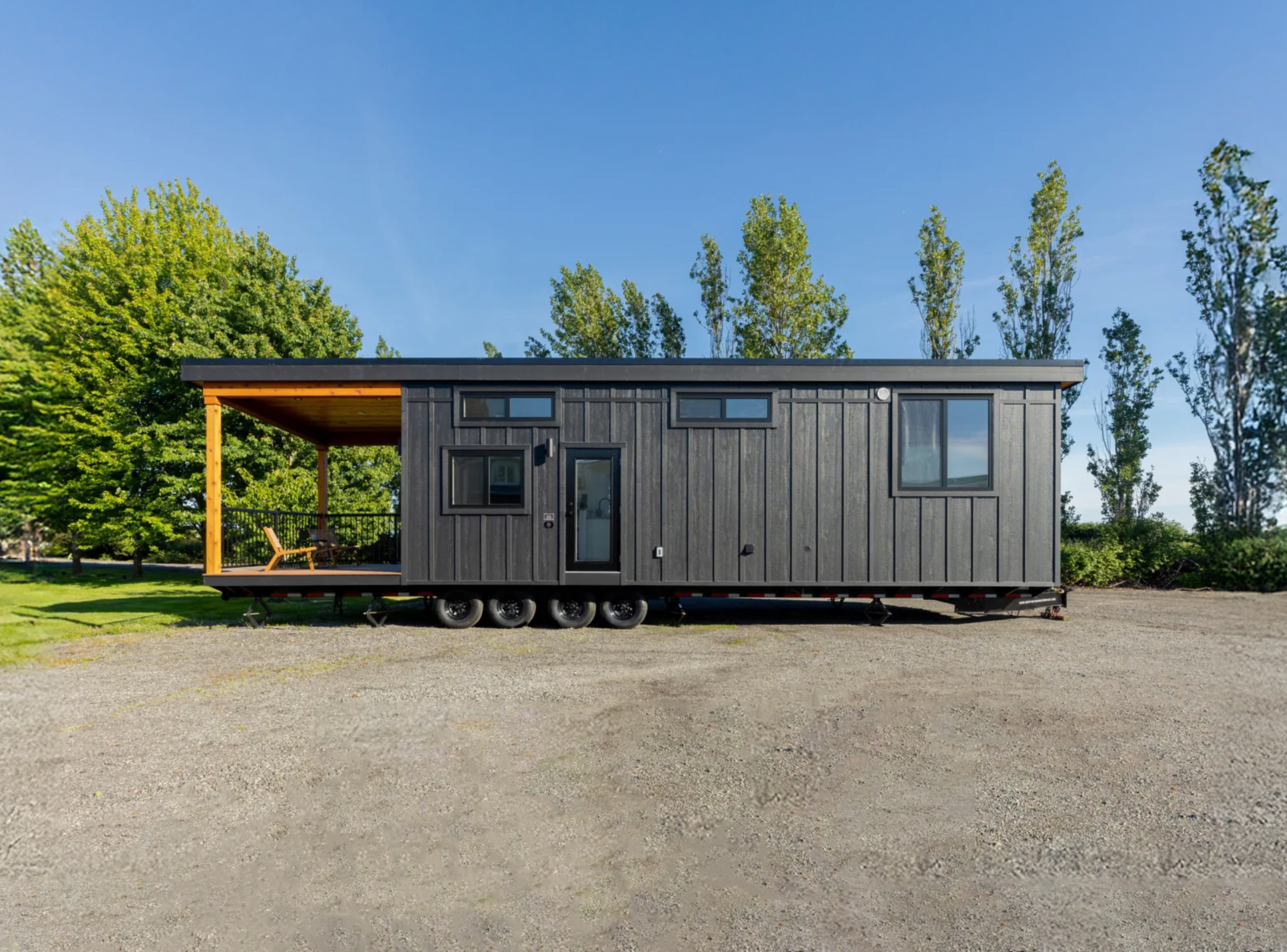
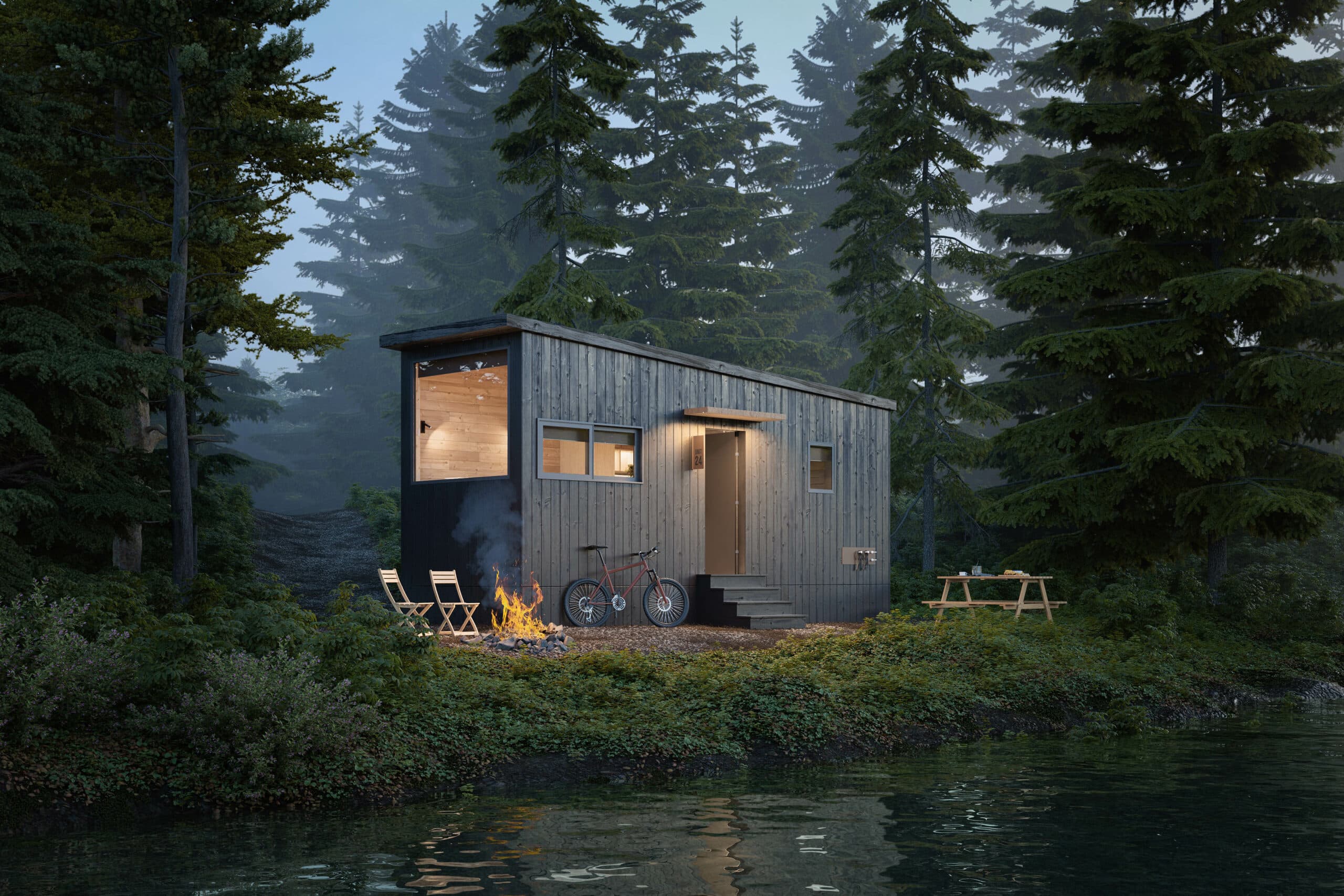
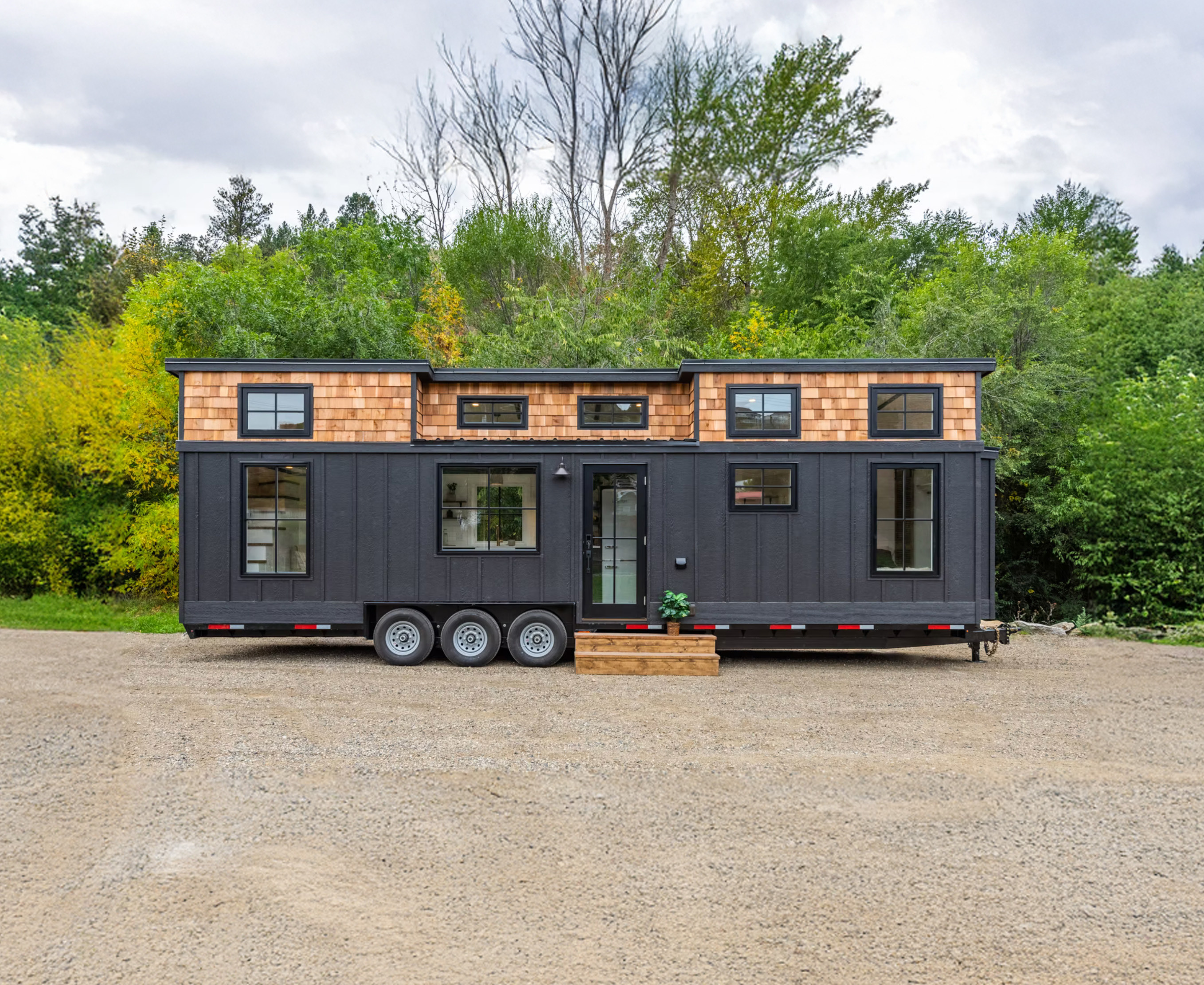
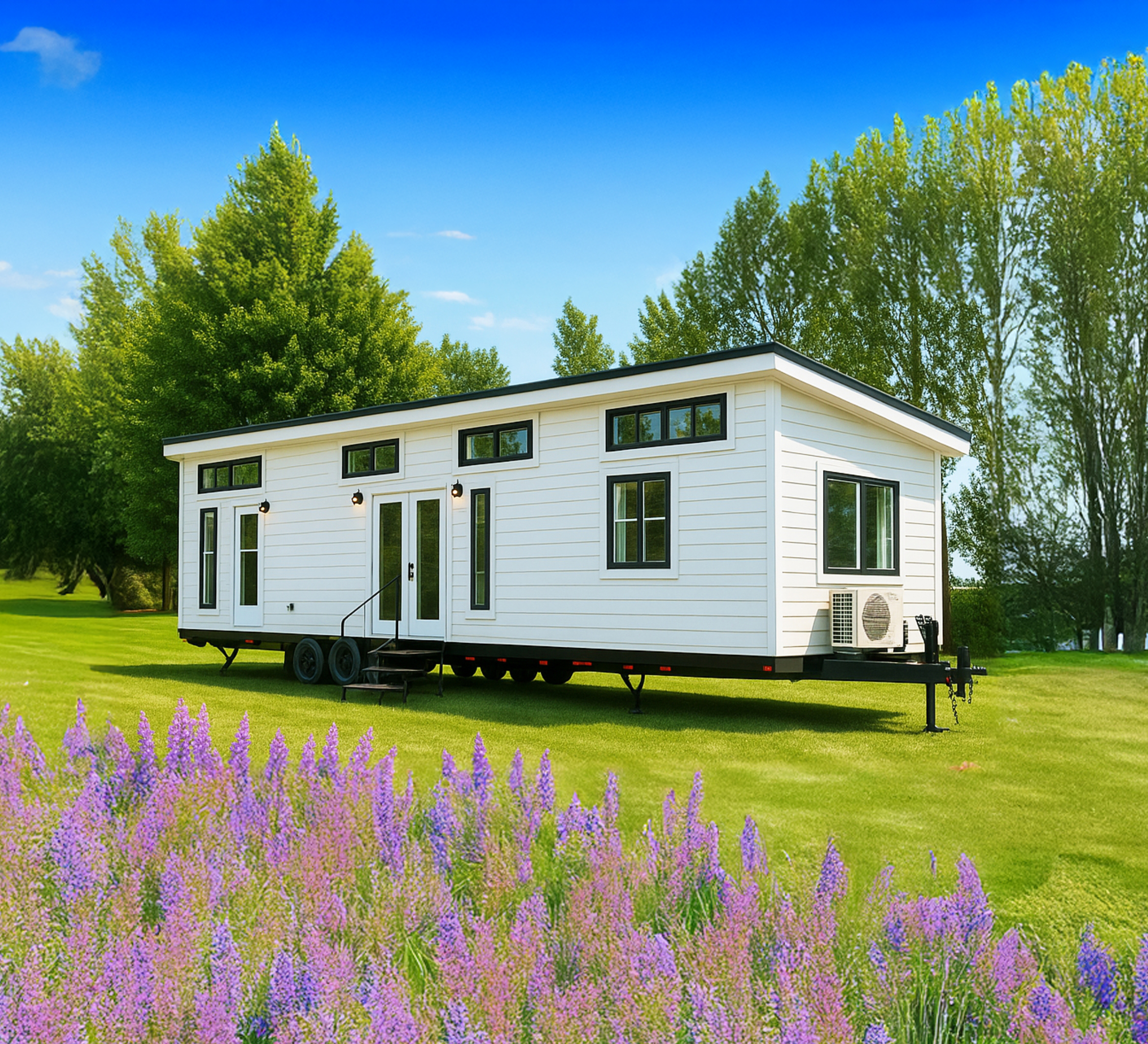
Several types of homes are commonly used for cabins and off-grid living. These include prefab cabins, modular homes, tiny homes on wheels, panelized kit cabins, and container homes. Many buyers choose smaller homes with efficient layouts and durable materials because they are easier to power and maintain in remote environments. ModelTown allows buyers to compare cabin-style homes across manufacturers and filter by size, price, and off-grid-friendly features.


%20III.jpg)